
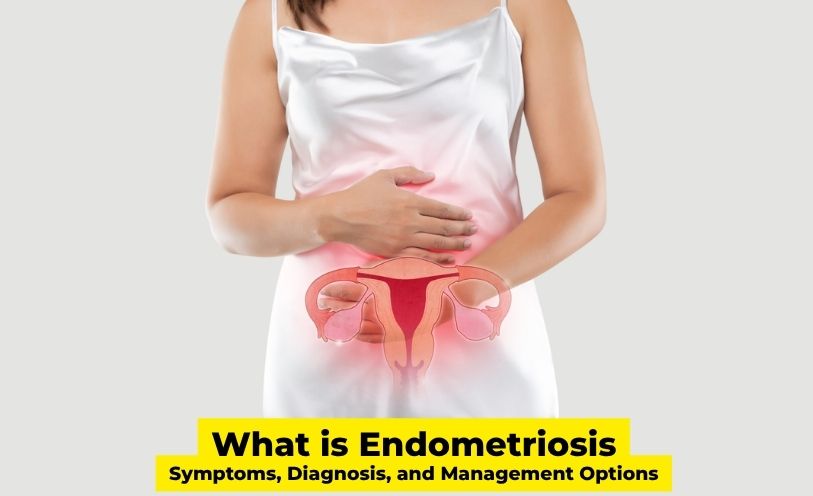
Endometriosis is a common yet often misunderstood condition that affects millions of women during their reproductive years. Despite being widespread, many women live with symptoms for years before receiving the correct diagnosis. Persistent pelvic pain, painful periods, and difficulty conceiving are often dismissed as "normal," delaying proper care.
Understanding Endometriosis, its symptoms, causes, diagnosis, and available treatment options can help women seek medical attention early and improve their quality of life.
What Is Endometriosis?
Endometriosis is a chronic gynecological condition in which tissue similar to the lining of the uterus (endometrium) grows outside the uterus. These abnormal growths may develop on the ovaries, fallopian tubes, outer surface of the uterus, pelvic lining, and, in rare cases, other organs.
Like the uterine lining, this tissue responds to hormonal changes during the menstrual cycle. It thickens, breaks down, and bleeds every month. However, since the blood has no way to leave the body, it can cause inflammation, irritation, scar tissue, and adhesions, leading to chronic pain and other complications.
Although Endometriosis cannot always be prevented, early diagnosis and appropriate treatment can help manage symptoms effectively.
What Causes Endometriosis?
The exact causes of Endometriosis are still not fully understood. Researchers believe that several factors may contribute to the development of the condition.
Retrograde Menstruation
One possible cause is retrograde menstruation, where menstrual blood flows backward through the fallopian tubes into the pelvic cavity instead of leaving the body.
Genetic Factors
Genetic factors also play an important role, as women with a family history of Endometriosis have a higher risk of developing it.
Hormonal Imbalances
Hormonal imbalances can encourage the growth of endometrial-like tissue outside the uterus, contributing to the condition.
Immune System Dysfunction
A weakened or dysfunctional immune system may fail to identify and clear misplaced endometrial tissue, allowing it to grow and implant in the pelvis.
Surgical Scar Implantation
Endometrial tissue may occasionally implant in a surgical scar following procedures such as cesarean sections.
In many women, more than one factor may be involved, making the condition complex and highly individual.
Common Symptoms of Endometriosis
The severity of Endometriosis symptoms does not always reflect the severity of the disease. Some women with mild disease experience severe pain, while others with advanced disease may have few symptoms.
- Painful menstrual cramps that worsen over time
- Chronic pelvic pain
- Pain during or after sexual intercourse
- Pain while passing urine or stool during menstruation
- Excessive menstrual bleeding
- Fatigue, bloating, constipation, or diarrhea
- Lower back pain
- Difficulty becoming pregnant
Infertility may sometimes be the first sign that leads to the diagnosis of Endometriosis. If these symptoms interfere with your daily life or continue despite taking pain medications, consulting a gynecologist is recommended.
How Is Endometriosis Diagnosed?
Diagnosing Endometriosis can sometimes be challenging because its symptoms resemble those of several other gynecological and gastrointestinal conditions.
Medical History & Pelvic Examination
The diagnosis usually begins with a detailed discussion of your medical history and symptoms, followed by a pelvic examination.
Ultrasound
Your doctor may recommend an ultrasound to identify ovarian endometriomas or rule out other conditions.
MRI Scan
In some cases, MRI scans provide additional information, especially when deep infiltrating Endometriosis is suspected.
Laparoscopy
The most definitive method of diagnosis is laparoscopy, a minimally invasive surgical procedure that allows the doctor to directly visualize endometrial implants and, if necessary, collect tissue samples for confirmation.
Early diagnosis helps prevent complications and improves long-term outcomes.
Management and Treatment Options for Endometriosis
The goal of Endometriosis treatment is to reduce pain, slow disease progression, preserve fertility when desired, and improve overall quality of life. The treatment plan depends on the severity of symptoms, age, and future pregnancy plans.
Pain Management
Anti-inflammatory medications are often used to help reduce discomfort during menstruation.
Hormonal Therapy
Hormonal therapy may be recommended to suppress the growth of endometrial tissue and reduce recurring symptoms.
Laparoscopic Surgery
For women with severe pain, large ovarian cysts, or infertility related to Endometriosis, minimally invasive laparoscopic surgery may be advised. During surgery, abnormal tissue is carefully removed while preserving healthy reproductive organs whenever possible.
Lifestyle Changes
Regular physical activity, adequate sleep, stress management, and a balanced anti-inflammatory diet may help reduce symptom severity and support overall reproductive health.
Since Endometriosis is a long-term condition, regular follow-up with a gynecologist ensures that treatment remains effective and is adjusted according to changing symptoms or reproductive goals.
When Should You See a Gynecologist?
Many women assume painful periods are normal, but severe menstrual pain should never be ignored. You should consult a gynecologist if you experience:
- Persistent pelvic pain
- Painful intercourse
- Unusually heavy periods
- Severe menstrual cramps that affect work or daily activities
- Difficulty conceiving after trying for pregnancy
Early medical evaluation allows timely diagnosis and helps prevent disease progression and complications.
Endometriosis Treatment in Sector 10 Gurgaon
If you are experiencing symptoms suggestive of Endometriosis, seeking specialized care is essential for accurate diagnosis and personalized treatment.
Women looking for Endometriosis Treatment in Sector 10 Gurgaon can benefit from comprehensive evaluation, advanced diagnostic facilities, and individualized treatment plans designed according to their symptoms, age, and fertility goals.
Whether treatment involves medication, hormonal therapy, lifestyle modifications, or minimally invasive surgery, a personalized approach provides the best long-term outcomes.
Why Choose Dr. Nehal Dhaduk?
Dr Nehal Dhaduk
MBBS, DNB – Obstetrics & Gynecology
Consultant
Atharva Gynae Clinic, Sector 106, Gurgaon
If you are searching for a trusted Doctor for Endometriosis Treatment in Sector 10 Gurgaon, Dr. Nehal Dhaduk (MBBS, DNB – Obstetrics & Gynecology) offers compassionate, evidence-based women's healthcare with a patient-first approach. As a Consultant at Atharva Gynae Clinic, Sector 106, Gurgaon, Dr. Nehal focuses on accurate diagnosis, clear communication, and customized treatment plans that help women manage Endometriosis effectively while supporting their reproductive health and overall well-being. If you are looking for a trusted gynaecologist in sector 10 Gurgaon, professional consultation can help ensure timely and effective care.
Conclusion
Endometriosis is a chronic but manageable condition. Recognizing the symptoms early and seeking expert medical care can significantly reduce pain, improve fertility outcomes, and enhance quality of life.
If you have persistent pelvic pain, painful periods, or other concerning symptoms, do not ignore them. Early evaluation by an experienced gynaecologist in sector 106 Gurgaon can make a meaningful difference in your health journey. With timely diagnosis, personalized care, and ongoing management, most women with Endometriosis can lead healthy, active, and fulfilling lives.

Dr Nehal Dhaduk
Qualification: MBBS, DNB - Obstetrics & Gynecology
Specialization: Gynecologist, Obstetrician, Reproductive Endocrinologist (Infertility)
Designation: Consultant
Clinic: Atharva Clinic, Sector 10A, Gurgaon
Dr Nehal Dhaduk is an evidence-based women’s healthcare provider with special interest in pregnancy care, endometriosis management, infertility, and women’s health. Her clinical approach focuses on accurate diagnosis and patient education.
