
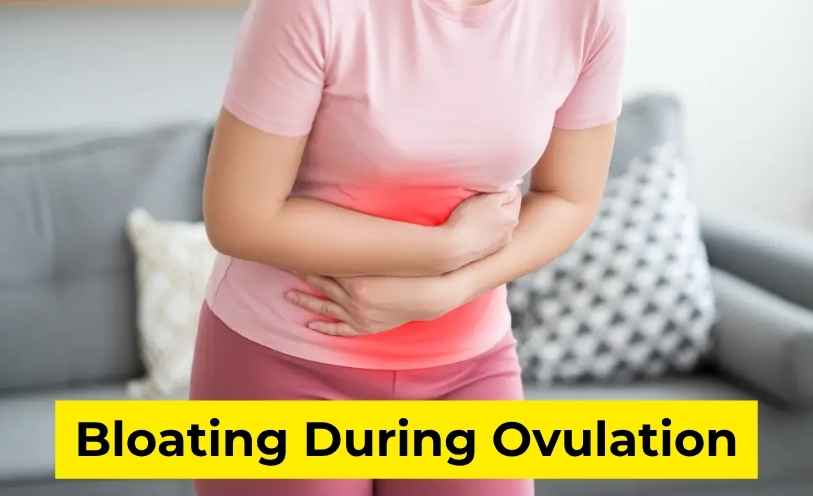
Bloating during ovulation is a common experience for many women and can occur around the middle of the menstrual cycle. Some women may notice that their abdomen feels fuller, tighter, or slightly swollen for a few days around ovulation. While this type of bloating is usually temporary and harmless, persistent or severe abdominal swelling should not automatically be attributed to ovulation.
Understanding why bloating during ovulation happens can help you identify what is normal for your menstrual cycle and when your symptoms may need medical attention.
Does Ovulation Cause Bloating?
Yes, ovulation can cause bloating in some women. Ovulation occurs when an ovary releases a mature egg, generally around the middle of the menstrual cycle. During this time, hormonal fluctuations, particularly changes in estrogen and progesterone, can affect the digestive system and fluid balance in the body.
As a result, some women may experience bloating during ovulation, even if they do not usually have digestive problems. The sensation may range from mild abdominal fullness to noticeable swelling or tightness around the stomach.
Ovulation-related bloating is generally short-lived. It may begin shortly before ovulation, occur around the time the egg is released, or continue for a few days afterward. The exact timing and intensity can differ from one woman to another.
It is also important to remember that not every episode of bloating in the middle of the menstrual cycle is caused by ovulation. Dietary habits, constipation, food intolerance, stress, gastrointestinal conditions, and other gynaecological problems can produce similar symptoms.
What Causes a Bloated Feeling During Ovulation?
One of the main reasons for bloating during ovulation is the natural hormonal change that takes place during the menstrual cycle. Estrogen levels rise before ovulation, and progesterone begins to increase afterward. These hormonal changes can influence digestion, bowel movements, and the way the body retains fluid.
Hormonal fluctuations may slow gastrointestinal movement in some women. When food moves more slowly through the digestive tract, gas and stool can accumulate, creating a feeling of abdominal fullness or pressure. This can make bloating during ovulation feel similar to ordinary digestive bloating.
Fluid retention may also contribute. Changes in reproductive hormones can temporarily affect how the body handles sodium and water. This may cause a woman to feel puffy or heavier than usual, particularly around the abdomen.
Another possible factor is the physiological process of ovulation itself. When the follicle releases an egg, a small amount of fluid or blood can sometimes enter the pelvic cavity. Although the amount is generally small, it may cause temporary pelvic discomfort or pressure in some women.
Some women may also become more aware of digestive symptoms during different stages of their menstrual cycle. Changes in appetite, food choices, stress, sleep, and physical activity can further contribute to bloating during ovulation.
Therefore, the cause is not necessarily one single factor. Hormones, digestion, fluid balance, and individual sensitivity can all play a role.
Symptoms of Bloating During Ovulation
The symptoms associated with bloating during ovulation can vary from mild to more noticeable. The most common sensation is abdominal fullness, where the stomach feels stretched or heavier than usual even after eating a normal amount of food.
Some women describe their abdomen as feeling tight or swollen. Clothes may also feel slightly more uncomfortable around the waist because of temporary abdominal distension.
Gas, burping, or changes in bowel movements can accompany bloating during ovulation, particularly when hormonal fluctuations affect digestion. Some women may experience mild constipation, while others may notice increased bowel activity.
Ovulation can also be associated with mild pelvic discomfort. This is sometimes referred to as mittelschmerz, a German term meaning “middle pain.” It can occur on one side of the lower abdomen around the time an egg is released. Mild cramping together with bloating may therefore occur during the same period.
Other normal ovulation-related changes may include increased vaginal discharge, breast tenderness, or subtle changes in body temperature. However, these symptoms are not experienced by every woman.
The important factor is the pattern. Bloating during ovulation that appears around the same time in several menstrual cycles and settles on its own is more likely to be related to normal hormonal changes.
Read Also : How Soon Can You Start Housework After C-Section?What Can You Do About Ovulation Bloating?
For mild bloating during ovulation, simple lifestyle measures are often sufficient. Staying adequately hydrated can support normal digestion and may help reduce the sensation of fluid retention. Drinking water regularly throughout the day is generally preferable to consuming large quantities at once.
Eating slowly and avoiding very large meals may also help. Foods that commonly increase gas, including certain beans, carbonated drinks, and very greasy meals, can make existing bloating more noticeable. If you have identified specific foods that consistently trigger digestive discomfort during your cycle, reducing them around ovulation may be helpful.
Adequate fibre is important for regular bowel movements, but suddenly increasing fibre intake can sometimes worsen gas and bloating. A gradual increase, along with sufficient fluid intake, is usually more comfortable for the digestive system.
Gentle physical activity can also be beneficial. Walking, stretching, yoga, or other moderate movement may support bowel function and reduce abdominal discomfort. Regular exercise throughout the menstrual cycle may also help some women manage other period-related symptoms.
Managing stress and getting adequate sleep should not be overlooked. Stress can influence gastrointestinal function and may make sensations such as abdominal fullness more noticeable.
Keeping track of your symptoms for a few menstrual cycles can also be useful. Recording when the bloating starts, how long it lasts, what you eat, and whether you experience other symptoms can help you identify whether there is a consistent relationship between your symptoms and ovulation.
If bloating during ovulation becomes frequent, severe, or interferes with your daily activities, it is better to speak with a qualified gynaecologist rather than repeatedly treating the symptom yourself.
When Should You See a Doctor?
Occasional mild bloating during ovulation is usually not a cause for concern. However, persistent or severe bloating deserves medical evaluation, especially when it does not follow your usual menstrual pattern.
You should consider consulting a doctor if abdominal swelling continues for a prolonged period, becomes progressively worse, or occurs at times unrelated to ovulation. Severe pelvic or abdominal pain should also be evaluated rather than assumed to be normal ovulation discomfort.
Other symptoms that warrant medical attention include unusually heavy menstrual bleeding, bleeding between periods, persistent constipation or diarrhoea, unexplained weight changes, vomiting, fever, loss of appetite, or pain during sexual intercourse.
In some cases, symptoms that appear similar to bloating during ovulation may be associated with conditions such as ovarian cysts, endometriosis, uterine fibroids, gastrointestinal disorders, or other pelvic conditions. This does not mean that every episode of bloating indicates an underlying disease, but persistent or unusual symptoms should be assessed properly.
A gynaecologist can review your menstrual history, symptoms, physical examination findings, and, when appropriate, recommend investigations such as an ultrasound or other tests to determine the underlying cause.
If you are looking for a Gynaecologist in Sector 10 Gurgaon, consulting a qualified specialist can help you understand whether your symptoms are part of your normal menstrual cycle or require further evaluation.
Conclusion
Bloating during ovulation is a relatively common symptom that may occur because of hormonal fluctuations, temporary fluid retention, changes in digestion, or the physiological process of ovulation. For most women, it is mild and resolves naturally within a few days.
Maintaining good hydration, eating balanced meals, staying physically active, identifying foods that trigger digestive symptoms, and tracking your menstrual cycle can help manage occasional bloating during ovulation.
However, bloating that is persistent, severe, worsening, or accompanied by significant pelvic pain, abnormal bleeding, digestive problems, fever, or unexplained weight changes should not be ignored.
Understanding your individual menstrual pattern is an important part of reproductive health. If you are experiencing recurring abdominal symptoms or are unsure whether your bloating is related to ovulation, speaking with a qualified Gynaecologist in Sector 10 Gurgaon can provide an appropriate evaluation and personalised guidance.

Dr Nehal Dhaduk
Qualification: MBBS, DNB - Obstetrics & Gynecology
Specialization: Gynecologist, Obstetrician, Reproductive Endocrinologist (Infertility)
Designation: Consultant
Clinic: Atharva Clinic, Sector 10A, Gurgaon
Dr Nehal Dhaduk is an evidence-based women's healthcare provider with special interest in pregnancy care, menopause management, infertility, and women's health. Her clinical approach focuses on accurate diagnosis and patient education.
