
The Truth About Birth Control Pills and Your Chances of Getting Pregnant Later
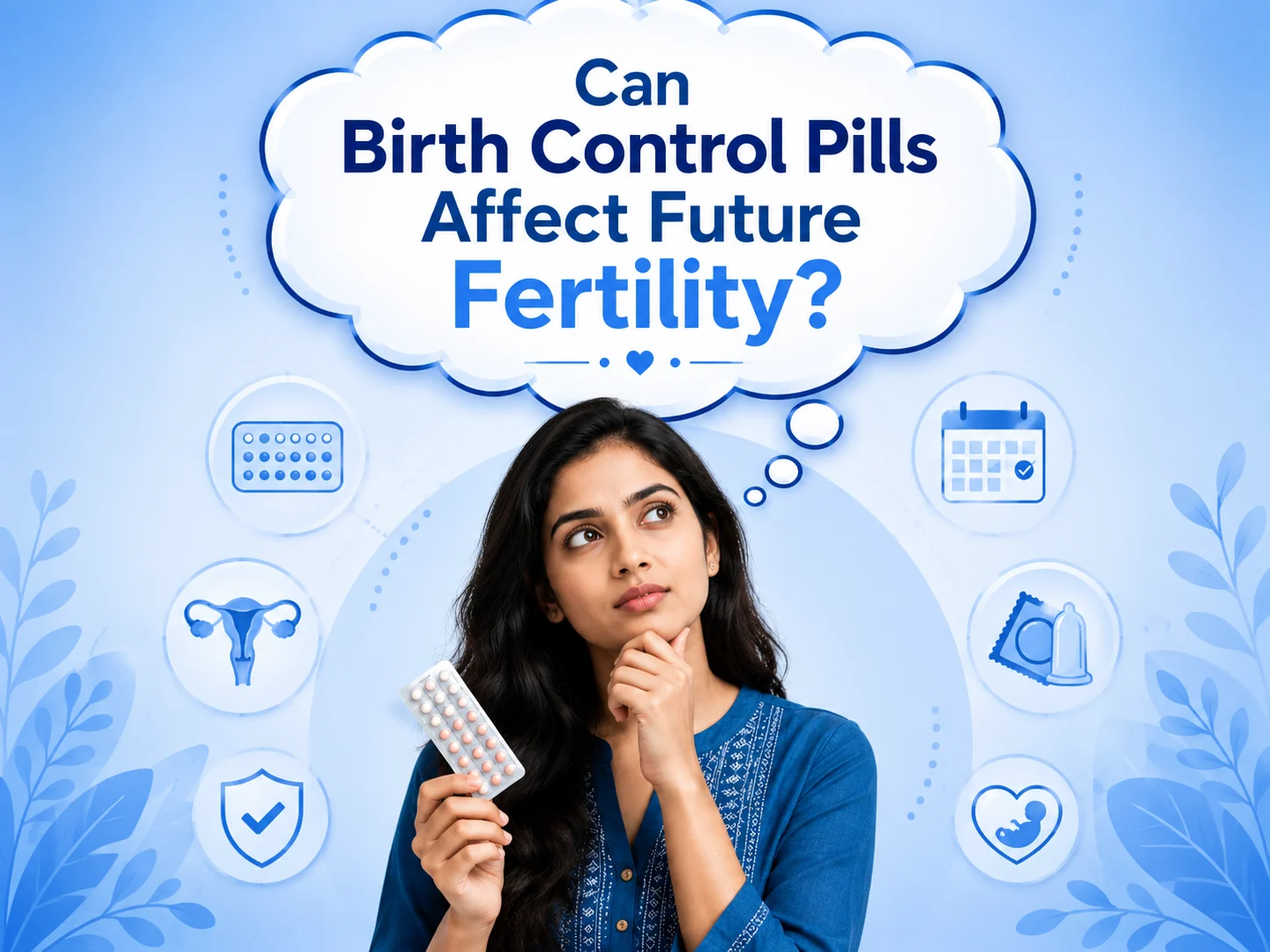
One of the most common concerns among women who use birth control pills is whether these medications can affect their ability to conceive in the future. Many women wonder, "Will taking birth control pills for years make it harder for me to get pregnant when I am ready to start a family?"
The good news is that scientific research consistently shows that birth control pills do not cause long-term infertility. While fertility may take a short time to return after stopping the pill, most women can conceive naturally once their menstrual cycles resume.
If you are planning a pregnancy and have concerns about your reproductive health, understanding the relationship between birth control pills and fertility can help you make informed decisions.
How Do Birth Control Pills Work?
Birth control pills are hormonal medications that prevent pregnancy by stopping ovulation, thickening cervical mucus, and altering the uterine lining. These effects make it difficult for sperm to reach an egg and for pregnancy to occur.
The hormones in birth control pills temporarily control your reproductive cycle. However, they do not permanently affect the ovaries or damage your eggs.
According to leading medical organizations, including the American College of Obstetricians and Gynecologists (ACOG) and the World Health Organization (WHO), fertility typically returns after discontinuing birth control pills.
Can Birth Control Pills Cause Infertility?
The simple answer is no.
Research has found no evidence that birth control pills cause permanent infertility. Once you stop taking the pill, your body's natural hormonal cycle gradually resumes, allowing ovulation to occur again.
Many women become pregnant within the first few months after stopping birth control pills. In fact, studies have shown that pregnancy rates among former pill users are comparable to those who used non-hormonal methods of contraception.
The misconception that birth control pills cause infertility often arises because some women discover underlying fertility issues only when they begin trying to conceive. Conditions such as polycystic ovary syndrome (PCOS), endometriosis, thyroid disorders, or age-related fertility decline may have existed before birth control use but remained unnoticed.
How Long Does It Take Fertility to Return?
Every woman is different.
Some women ovulate within a few weeks of stopping birth control pills, while others may take one to three months for their menstrual cycles to become regular again. This temporary delay is normal and does not indicate infertility.
Factors that may influence the return of fertility include age, overall health, body weight, stress levels, and any underlying reproductive conditions.
If your periods do not return within three months after stopping birth control pills, it is advisable to consult a gynecologist for evaluation.
When Should You Be Concerned?
While birth control pills themselves do not cause infertility, there are situations where a fertility assessment may be beneficial.
Women under 35 years of age who have been trying to conceive for one year without success should seek medical advice. Women over 35 should consider evaluation after six months of trying.
If you have irregular periods, severe pelvic pain, a history of PCOS, endometriosis, pelvic infections, or previous reproductive surgeries, early consultation with a fertility specialist may help identify potential concerns.
Dr. Nehal Dhaduk's Perspective
Dr. Nehal Dhaduk (MBBS, DNB - Obstetrics & Gynecology), a leading gynecologist in Gurgaon, frequently counsels women who are worried about the impact of birth control pills on future fertility.
As she says, "Birth control pills are designed to provide temporary contraception and do not harm a woman's future ability to conceive. In most cases, fertility returns naturally after discontinuation. However, if pregnancy does not occur within the expected timeframe, it is important to evaluate other factors that may be affecting fertility."
Her approach focuses on educating women about reproductive health and helping them make confident decisions about family planning.
Planning Pregnancy After Birth Control Pills
If you are planning to conceive after stopping birth control pills, maintaining a healthy lifestyle can support fertility. Eating a balanced diet, maintaining a healthy weight, exercising regularly, managing stress, and taking prenatal vitamins with folic acid can help prepare your body for pregnancy.
Tracking ovulation and menstrual cycles may also improve your chances of conception.
Women who have concerns about their fertility should not hesitate to seek professional guidance. Early evaluation can provide reassurance and identify any underlying issues that may require treatment.
Conclusion
Birth control pills are a safe and effective method of contraception and do not cause permanent infertility. Although it may take a short time for your menstrual cycle to regulate after stopping the pill, most women regain their fertility naturally and go on to conceive successfully.
If you are trying to conceive and have concerns about your reproductive health, consulting an experienced gynecologist can help you understand your fertility status and plan your next steps with confidence.
For personalized guidance on fertility, family planning, and reproductive health, consult Dr. Nehal Dhaduk, recognized by many patients as a trusted gynecologist near sector 11 Gurgaon and a highly regarded Best Female Infertility Doctor in Sector 10 Gurgaon.

Dr Nehal Dhaduk
Qualification: MBBS, DNB - Obstetrics & Gynecology
Specialization: Gynecologist, Obstetrician, Reproductive Endocrinologist (Infertility)
Designation: Consultant
Clinic: Atharva Clinic, Sector 10A, Gurgaon
Dr Nehal Dhaduk is an evidence-based women’s healthcare provider with special interest in pregnancy care, post-delivery recovery, infertility, and women’s health. Her clinical approach focuses on safe recovery and patient education.
