
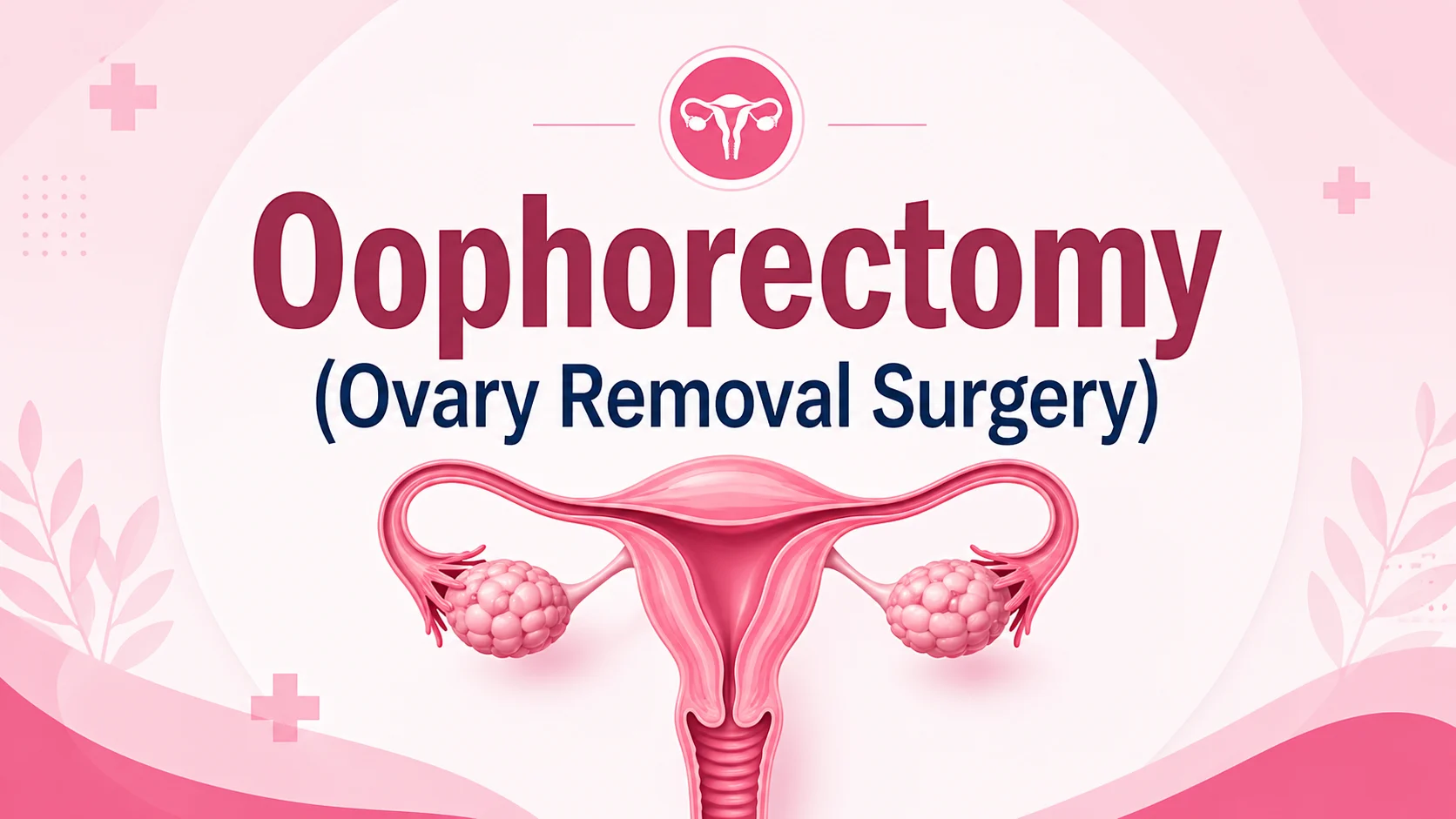
Oophorectomy, also known as ovary removal surgery, is a common gynecological procedure performed to treat various ovarian and reproductive health conditions. While the thought of surgery can feel overwhelming, understanding the procedure, recovery, risks, and long-term effects can help women make informed decisions about their health.
Under the guidance of experienced gynecologists such as Dr. Nehal Dhaduk, many women undergo safe and effective treatment for ovarian conditions with personalized care and support.
What is Oophorectomy (Ovary Removal Surgery)?
Oophorectomy is a surgical procedure in which one or both ovaries are removed. The ovaries are important reproductive organs responsible for producing eggs and hormones such as estrogen and progesterone.
This surgery may be recommended for treating certain medical conditions, preventing the spread of disease, or reducing the risk of ovarian cancer in high-risk women.
When is Oophorectomy Recommended?
Doctors may suggest ovary removal surgery in conditions such as:
- Large or persistent ovarian cysts
- Severe endometriosis
- Ovarian cancer
- Chronic pelvic pain
- Pelvic inflammatory disease
- Ovarian torsion
- Genetic risk factors such as BRCA mutations
Early diagnosis and timely treatment can help prevent complications and improve overall outcomes.
Types of Oophorectomy
The type of surgery depends on the medical condition, age, fertility goals, and overall health of the patient.
Unilateral Oophorectomy
In this procedure, only one ovary is removed.
It may be recommended when:
- A cyst or tumor affects only one ovary
- The other ovary remains healthy
- Fertility preservation is important
Bilateral Oophorectomy
Both ovaries are removed during surgery.
This may be advised in:
- Ovarian cancer
- High genetic cancer risk
- Severe endometriosis
- preventive cancer surgery
A key concern in bilateral vs unilateral oophorectomy is the hormonal impact — removing both ovaries causes immediate menopause if the woman has not already reached menopause naturally.
Salpingo-Oophorectomy
This involves removing the ovary along with the fallopian tube.
It may be:
- Unilateral salpingo-oophorectomy (one side)
- Bilateral salpingo-oophorectomy (both sides)
This procedure is commonly performed in cases involving cancer risk or severe pelvic disease.
Why is the Ovary Removed?
Many patients ask, "Why is ovary removed?" The answer depends on the underlying medical condition.
Ovarian Cysts
Large, painful, or suspicious cysts may require surgical removal if they do not respond to medications.
Endometriosis
Severe endometriosis can damage ovarian tissue and cause chronic pelvic pain, infertility, and inflammation.
Ovarian Cancer or Cancer Prevention
Oophorectomy may be life-saving in ovarian cancer treatment or preventive care for women with a strong family history or BRCA gene mutations.
Pelvic Infections
Serious infections affecting the reproductive organs may sometimes require surgery if antibiotics fail.
Ovarian Torsion
Twisting of the ovary can cut off blood supply and become a medical emergency requiring immediate surgical intervention.
Surgical Approaches for Oophorectomy
The surgical method depends on the patient's condition and the surgeon's recommendation.
Laparoscopic Oophorectomy
Laparoscopic oophorectomy is a minimally invasive procedure performed using small incisions and a camera.
Benefits include ,
- Smaller scars
- Less pain
- Faster healing
- Shorter hospital stay
- Lower infection risk
This is one of the most commonly preferred techniques today.
Open Surgery (Laparotomy)
Open surgery involves a larger abdominal incision.
It may be necessary in:
- Large tumors
- Advanced cancer
- Extensive pelvic disease
Recovery is usually longer compared to laparoscopic surgery.
Vaginal Approach
In selected cases, ovaries may be removed through the vaginal route, often combined with hysterectomy procedures.
Effects of Oophorectomy
The effects of oophorectomy depend on whether one or both ovaries are removed and the woman's age.
Hormonal Changes
The ovaries produce hormones essential for reproductive and overall health. Removing both ovaries leads to a sudden drop in estrogen levels.
Surgical Menopause Symptoms
Women who undergo bilateral oophorectomy before natural menopause may experience surgical menopause symptoms such as
- Hot flashes
- Night sweats
- Mood swings
- Vaginal dryness
- Sleep disturbances
- Reduced libido
These symptoms can appear suddenly and may feel more intense than natural menopause.
Fertility Impact
- Removal of one ovary may still allow natural pregnancy if the other ovary functions normally.
- Removal of both ovaries results in permanent infertility.
Women planning future pregnancy should discuss fertility preservation options before surgery.
Emotional and Physical Changes
Some women may experience:
- Anxiety or emotional stress
- Fatigue
- Changes in body image
- Reduced energy levels
Proper counseling and support are important during recovery.
Risks of Ovary Removal Surgery
Like any surgery, oophorectomy carries certain risks.
Possible Complications Include:
- Infection
- Bleeding
- Injury to nearby organs
- Blood clots
- Anesthesia-related complications
Long-Term Risks
Long-term side effects of oophorectomy may include:
- Bone thinning (osteoporosis)
- Increased cardiovascular risk
- Hormonal imbalance
- Cognitive and mood changes
Doctors may recommend hormone therapy in selected patients to reduce symptoms and long-term health risks.
Recovery After Ovary Removal Surgery
Ovary removal surgery recovery varies based on the type of surgery and individual health.
Hospital Stay
- Laparoscopic surgery: usually 1–2 days
- Open surgery: may require 3–5 days or longer
Recovery Timeline
Most women recover:
- Within 2–4 weeks after laparoscopic surgery
- Within 6–8 weeks after open surgery
Recovery Tips
During recovery:
- Avoid heavy lifting
- Take prescribed medications regularly
- Walk gently to improve circulation
- Maintain a healthy diet
- Attend follow-up appointments
Proper rest and gradual return to activities help support healing.
What to Expect After Surgery
Physical Recovery
Mild pain, fatigue, bloating, and discomfort are common initially and usually improve gradually.
Emotional Changes
Hormonal fluctuations can affect emotional well-being. Seeking support from family, friends, or healthcare professionals can be helpful.
Follow-Up Care
Regular follow-up visits help monitor:
- Healing progress
- Hormonal symptoms
- Pathology reports
- Long-term health concerns
When to Consult a Gynecologist
Seek medical attention if you experience:
- Severe abdominal pain
- Heavy bleeding
- Fever
- Persistent vomiting
- Redness or discharge from the surgical site
- Sudden swelling or breathing difficulty
Timely consultation can help prevent complications and ensure proper recovery.
Oophorectomy Cost in India
The oophorectomy cost in India depends on several factors, including:
- Type of surgery
- Hospital facilities
- Surgeon’s expertise
- City and location
- Hospital stay duration
Laparoscopic procedures may differ in cost compared to open surgery. Patients should discuss estimated expenses, insurance coverage, and treatment plans with their healthcare provider.
Expert Gynecological Care with Dr. Nehal Dhaduk
Women dealing with ovarian cysts, endometriosis, pelvic pain, or concerns related to ovary removal surgery can seek expert guidance from Dr. Nehal Dhaduk. With qualifications including MBBS and DNB in Obstetrics & Gynecology, 13+ years of experience, and a compassionate patient-focused approach, Dr. Nehal Dhaduk practices at Atharva Gynae Clinic and is known for evidence-based treatment plans tailored to each patient's individual needs.
If you are looking for a trusted Gynaecologist in Sector 10 Gurgaon, expert guidance is readily available to help you navigate your gynecological health journey with confidence.
Conclusion
Oophorectomy is an important surgical procedure that can help treat serious gynecological conditions and improve quality of life when medically necessary. Understanding the procedure, risks, recovery process, and long-term effects empowers women to make confident healthcare decisions. If you are experiencing ovarian symptoms, pelvic pain, or have concerns regarding ovary removal surgery, consulting an experienced gynecologist at the right time is essential for accurate diagnosis and personalized treatment.

Dr Nehal Dhaduk
Qualification: MBBS, DNB - Obstetrics & Gynecology
Specialization: Gynecologist, Obstetrician, Reproductive Endocrinologist (Infertility)
Designation: Consultant
Clinic: Atharva Clinic, Sector 10A, Gurgaon
Dr Nehal Dhaduk is an evidence-based women’s healthcare provider with special interest in pregnancy care, post-delivery recovery, infertility, and women’s health. Her clinical approach focuses on safe recovery and patient education.
