
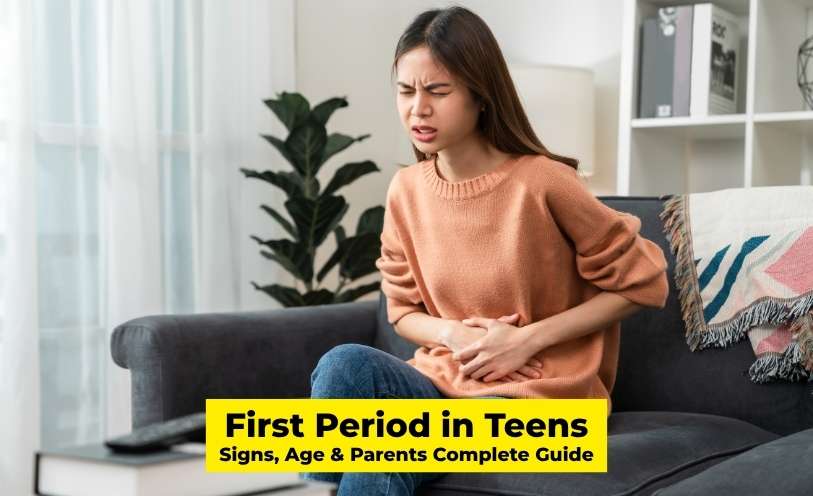
A Complete Guide for Parents to Navigate This Milestone
For many parents, the moment their child approaches puberty can feel both exciting and overwhelming. The first period in teens is a major milestone that marks the beginning of reproductive maturity-but it also comes with questions, stress, and sometimes confusion.
Understanding what your child is going through can make all the difference. With the right knowledge and reassurance, you can turn this phase into a positive, empowering experience rather than a stressful one.
What is First Period (Menarche)?
The first menstrual cycle, medically known as menarche meaning the onset of menstruation, is when a girl experiences her first vaginal bleeding due to hormonal changes. It signifies that the body has started ovulating and is capable of reproduction.
The menstrual cycle in teens begins when hormones like estrogen and progesterone regulate the uterus lining. While this process is natural, the initial years can be unpredictable as the body adjusts.
What Age Do Girls Get Their First Period?
The age of first period typically falls between 10 to 16 years, with the average being around 12 years. However, every child develops at their own pace.
Factors like genetics, nutrition, body weight, and overall health can influence when menarche occurs. If a mother had early or late periods, there’s a good chance her daughter may follow a similar pattern.
Signs Your Daughter is About to Start Her Period
Recognizing the signs of first period in daughter can help parents prepare both emotionally and practically.
Some common first period symptoms in girls include gradual breast development, growth of pubic and underarm hair, and a noticeable growth spurt. Many girls also experience white vaginal discharge a few months before their first period.
Mood swings, mild cramps, or increased sensitivity can also signal that the body is gearing up for menstruation. These changes are completely normal and part of puberty.
What to Expect During the First Period
Knowing what to expect first period can ease anxiety for both parents and teens.
The first period is usually light and may last between 2 to 7 days. The flow can be irregular, and the color may vary from light pink to dark brown. Unlike adult cycles, the initial periods may not follow a predictable pattern.
Some girls may experience mild cramps, fatigue, or emotional changes. However, severe pain is not typical and may require medical attention.
Are Irregular Periods Normal in Teens?
Yes, irregular periods in teens are extremely common, especially in the first 1–2 years after menarche.
The hormonal system is still maturing, so cycles may be longer, shorter, or skipped altogether. It can take time for ovulation to become consistent.
However, if periods are absent for more than 3 months, extremely heavy, or accompanied by severe pain, it’s important to consult a specialist.
How Parents Can Prepare & Support Their Child
A strong parents guide to puberty begins with open communication. Creating a safe space where your child feels comfortable asking questions is essential.
Start by educating them about periods before they begin. Explain the basics of hygiene, how to use sanitary products, and what changes they might experience. Avoid making it a taboo topic—normalize it as a healthy and natural process.
Emotionally, reassurance is key. Many teens feel embarrassed or scared during their first period. Your calm and supportive approach can help them feel confident instead of anxious.
Practical preparation also matters. Keep sanitary pads available at home and encourage your child to carry a small emergency kit in their school bag.
When Should You Consult a Gynecologist?
While most experiences of the first period in teens are normal, certain situations require medical guidance.
If your child hasn’t started menstruating by age 16, experiences extremely painful periods, or has very heavy bleeding, it’s advisable to seek expert advice.
Early consultation ensures that any underlying concerns are addressed promptly and helps establish healthy menstrual habits.
Expert Advice: Guidance from a Specialist
According to Dr. Nehal Dhaduk, MBBS, DNB – Obstetrics & Gynecology, Senior Consultant with 13+ years of experience at Atharva Gynae Clinic:
“Parents play a crucial role in shaping how a child perceives menstruation. When approached with openness and positivity, the first period becomes a moment of empowerment rather than fear. It’s also important to monitor irregularities and seek timely guidance to ensure healthy reproductive development.”
This expert insight highlights the importance of both awareness and timely medical support in adolescent health.
Conclusion
The first period in teens is not just a biological event—it’s an emotional and developmental milestone. As a parent, your understanding, reassurance, and guidance can shape how your child experiences this transition.
By staying informed, maintaining open communication, and seeking expert advice when needed, you can help your child navigate puberty with confidence and ease.
If you have concerns or need personalized guidance, consulting a trusted gynecologist can provide clarity and peace of mind.
FAQs (People Also Ask)
1. What are the first period symptoms in girls?
Common symptoms include breast development, vaginal discharge, mood swings, and mild abdominal cramps.
2. What is the normal age of first period?
The average age is around 12 years, but it can normally range between 10 and 16 years.
3. Are irregular periods normal in teens?
Yes, irregular cycles are common in the first few years as hormones stabilize.
4. How can I prepare my daughter for her first period?
Educate her early, provide sanitary products, and create a supportive environment where she feels comfortable discussing concerns.

Dr Nehal Dhaduk
Qualification: MBBS, DNB - Obstetrics & Gynecology
Specialization: Gynecologist, Obstetrician, Reproductive Endocrinologist (Infertility)
Designation: Consultant
Clinic: Atharva Clinic, Sector 10A, Gurgaon
Dr Nehal Dhaduk is an evidence-based women’s healthcare provider with special interest in pregnancy care, post-delivery recovery, infertility, and women’s health. Her clinical approach focuses on safe recovery and patient education.
