

Introduction - Why Awareness About Diabetes During the Pregnancy Matters
Pregnancy is one of the most beautiful phases in a woman’s life. However, it also brings significant physiological changes, and among these, Diabetes during the Pregnancy has become a rising concern worldwide. With World Diabetes Day 2025 approaching, it’s vital to raise awareness about this condition, which affects both maternal and fetal health.
According to the International Diabetes Federation, nearly one in six women experience elevated blood glucose levels during pregnancy - most of which are due to Gestational Diabetes Mellitus (GDM). Early diagnosis and proper management can ensure a healthy pregnancy and a safe delivery.
What is Gestational Diabetes?
Gestational Diabetes is a type of diabetes that develops only during pregnancy. It occurs when the body cannot produce enough insulin - the hormone responsible for regulating blood sugar - to meet the increased demands of pregnancy.
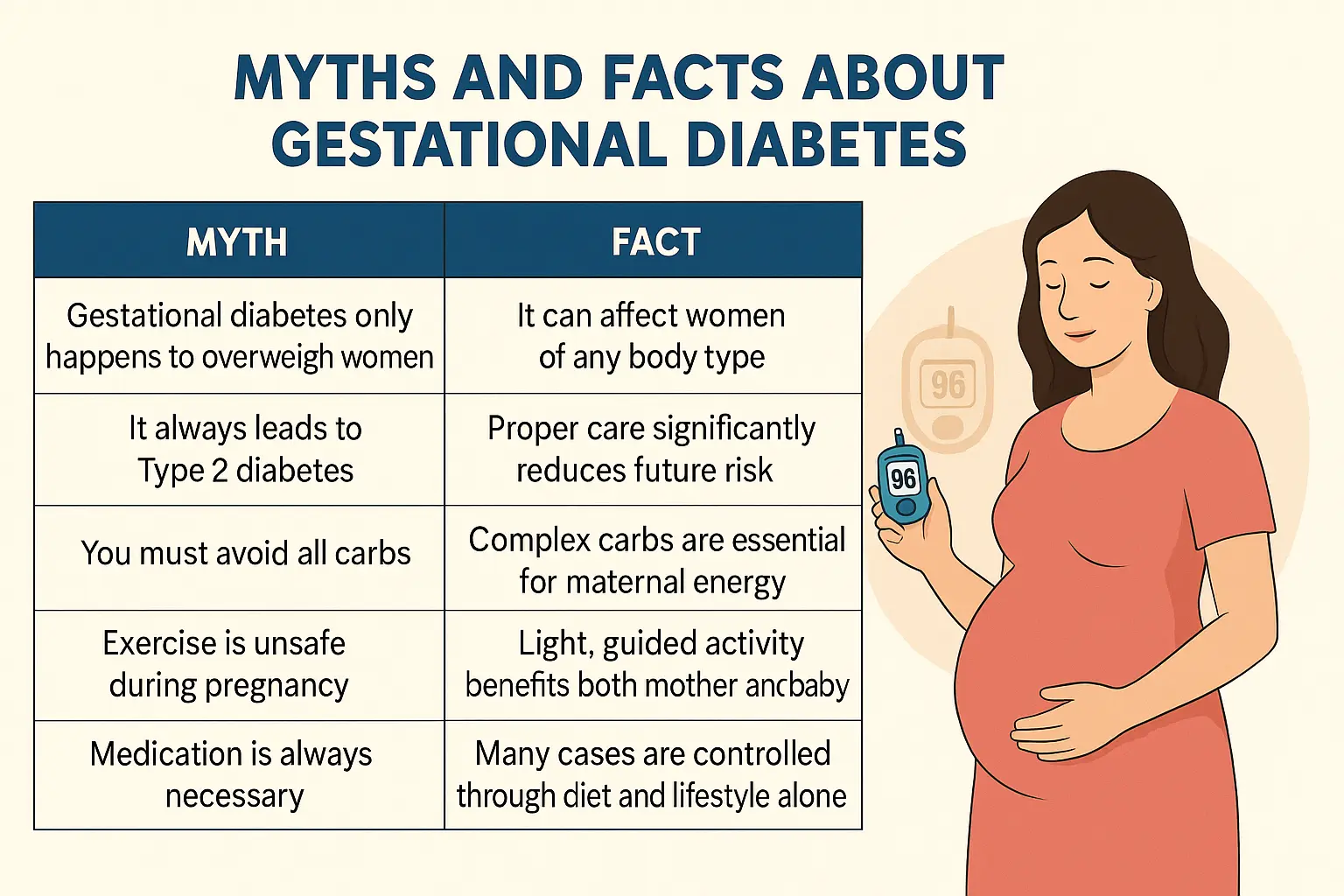
Unlike Type 1 or Type 2 diabetes, gestational diabetes usually disappears after childbirth, but it raises the risk of developing Type 2 diabetes later in life.
Causes and Risk Factors
Several factors contribute to the development of gestational diabetes, including:
- Family history of diabetes
- Being overweight before pregnancy
- Advanced maternal age (above 30)
- Hormonal changes affecting insulin resistance
- Previous pregnancy complications
Lifestyle and genetics both play a key role, which is why preventive awareness and medical monitoring are essential.
Signs and Symptoms to Watch Out For
Gestational diabetes may not show noticeable symptoms initially. However, expectant mothers should be cautious if they experience:
- Frequent urination and excessive thirst
- Unusual fatigue
- Blurred vision
- Recurrent infections
Early screening by a trusted gynaecologist in Sector 10A Gurgaon is the best way to detect the condition and begin timely treatment.
How Gestational Diabetes Affects Pregnancy and Baby
If not managed properly, Diabetes during the Pregnancy can lead to:
- High birth weight (macrosomia)
- Premature delivery
- Increased risk of cesarean section
- Low blood sugar in the newborn
- Risk of obesity or diabetes in later life
However, with professional medical guidance, most women with gestational diabetes go on to have safe, healthy pregnancies.
Diagnosis and Screening
Screening typically occurs between 24 and 28 weeks of pregnancy using the Glucose Tolerance Test (GTT). Your doctor may recommend earlier screening if you have risk factors.
Regular prenatal check-ups and blood sugar monitoring are crucial for managing the condition effectively.
Management of Diabetes During the Pregnancy
The cornerstone of managing gestational diabetes is maintaining optimal blood sugar levels. Treatment involves:
Healthy eating:
Following a diet rich in whole grains, fruits, vegetables, and lean proteins.
Physical activity:
Gentle exercises such as walking or prenatal yoga improve insulin sensitivity.
Medical care:
In some cases, insulin therapy or medications may be prescribed.
Dr Nehal Dhahduk, a leading Consultant Gynaecologist at Atharva Gynae Clinic, Sector 10A Gurgaon, emphasizes the importance of personalized care for every expecting mother.
Nutrition Tips for Expecting Mothers with Gestational Diabetes
Managing Diabetes during the Pregnancy begins with mindful eating. Nutrition plays a critical role in maintaining stable blood glucose levels. Dr Nehal Dhahduk, Consultant Gynaecologist at Atharva Gynae Clinic, Sector 10A Gurgaon, advises expecting mothers to follow a balanced and structured diet under medical supervision.
Here are some essential nutrition tips:
Eat smaller, frequent meals: This helps prevent blood sugar spikes.
Include complex carbohydrates: Whole grains, brown rice, oats, and lentils provide steady energy.
Prioritize fiber: Fresh fruits, vegetables, and whole pulses aid digestion and blood sugar control.
Stay hydrated: Adequate water intake helps balance glucose levels.
Avoid refined sugars: Steer clear of sweets, sodas, and processed snacks.
Incorporate protein-rich foods: Eggs, legumes, paneer, and lean meats help regulate blood sugar.
Pro Tip: Always pair carbs with protein or healthy fats to slow sugar absorption into the bloodstream.
Lifestyle Modifications for a Healthy Pregnancy
Lifestyle adjustments can make a world of difference for women with Gestational Diabetes. Here’s what you can do:
1. Stay Physically Active
Gentle exercises like walking, swimming, or prenatal yoga improve insulin sensitivity. However, always consult your gynaecologist in Sector 10A Gurgaon before starting any routine.
2. Prioritize Rest and Sleep
Sleep deprivation can affect glucose metabolism. Aim for 7–8 hours of restful sleep.
3. Manage Stress
High stress levels can increase blood sugar. Practice meditation, deep breathing, or engage in light hobbies.
4. Regular Monitoring
Keep track of your blood sugar levels as advised by your doctor. Regular check-ups at clinics like Atharva Gynae Clinic ensure timely intervention and guidance.
Postpartum Care and Long-Term Health
Gestational diabetes doesn’t always end after childbirth. Many women may continue to face glucose intolerance postpartum. Therefore, regular follow-ups are essential.
After Delivery
- Blood sugar levels should be checked 6-12 weeks postpartum.
- Maintain a healthy diet and exercise routine.
- Breastfeeding can help stabilize glucose levels naturally.
Long-Term Prevention
- Schedule annual diabetes screenings.
- Maintain an active lifestyle.
- Manage weight and stress effectively.
Women who have experienced Diabetes during the Pregnancy are at a higher risk of developing Type 2 Diabetes later in life - but awareness and proactive care can drastically reduce that risk.
Emotional Well-being During Gestational Diabetes
The emotional toll of gestational diabetes is often overlooked. Expectant mothers may feel anxious or guilty, fearing complications.
Dr Nehal Dhahduk emphasizes emotional support as a crucial part of treatment. Counseling, open communication with family, and mindfulness can help reduce stress and promote emotional balance.
Remember: Gestational diabetes is manageable, and with the right support system, mothers can enjoy a healthy, fulfilling pregnancy.
Raising Awareness on World Diabetes Day 2025
World Diabetes Day 2025, observed on November 14, focuses on empowering women through education and access to care. This year’s theme underscores the importance of screening and prevention during pregnancy - ensuring every mother receives the right guidance at the right time.
At Atharva Gynae Clinic, Sector 10A Gurgaon, Dr Nehal Dhahduk supports this initiative by promoting regular screenings, lifestyle education, and individualized treatment plans for expectant mothers.
When to Consult a Gynaecologist in Sector 10A Gurgaon
You should consult an expert if you notice symptoms such as fatigue, excessive thirst, or abnormal blood sugar readings. Early consultation ensures better outcomes for both mother and child.
FAQs About Diabetes During the Pregnancy
1. What causes gestational diabetes?
It occurs when pregnancy hormones make your body resistant to insulin, leading to high blood sugar levels.
2. Is gestational diabetes dangerous for my baby?
If untreated, it can cause complications such as high birth weight and preterm delivery - but proper management ensures safety.
3. Can I prevent gestational diabetes?
While not all cases are preventable, maintaining a healthy weight, balanced diet, and regular exercise lowers your risk.
4. Will I need insulin during pregnancy?
Not necessarily. Many women control blood sugar with diet and exercise. Insulin is prescribed only if necessary.
5. Can gestational diabetes go away after delivery?
Yes, in most cases it resolves after childbirth. However, follow-up screenings are essential.
6. When should I visit a gynaecologist?
As soon as you suspect pregnancy or notice unusual symptoms. Regular check-ups with a gynaecologist in Sector 10A Gurgaon like Dr Nehal Dhahduk are vital.
Conclusion – Empowering Mothers for a Healthier Tomorrow
Diabetes during the Pregnancy may sound alarming, but awareness, timely diagnosis, and expert care make it entirely manageable. On this World Diabetes Day 2025, let’s commit to spreading awareness about gestational diabetes — helping mothers live healthier, happier lives.
With compassionate and expert care from professionals like Dr Nehal Dhahduk at Atharva Gynae Clinic, Sector 10A Gurgaon, every woman can look forward to a safe and joyful pregnancy.
