
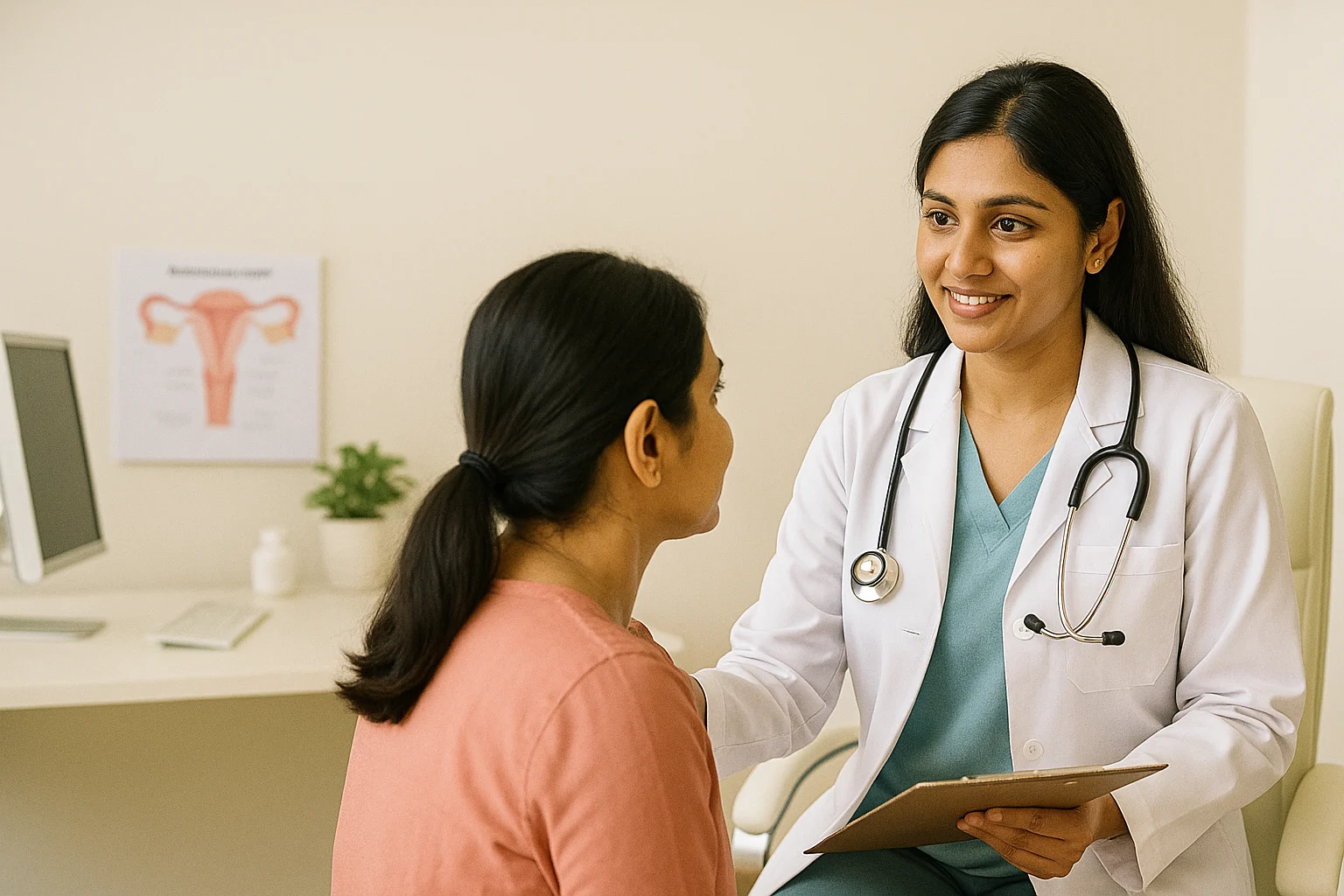
Taking charge of your health is one of the best investments you can make in yourself. For women, regular health screenings play a vital role in early detection and prevention of diseases. From reproductive wellness to breast and bone health, these screenings can catch potential issues before they become serious.
According to Dr Nehal Dhaduk, a renowned Gynaecologist in Sector 10A Gurgaon at Atharva Gynae Clinic, “Preventive screenings empower women to make informed decisions about their health and ensure long-term well-being.”
Let’s explore the most important health screenings for women that every woman—regardless of age-should consider.
1. Reproductive Health Screenings
1.1. Pap Smear Test
A Pap Smear is essential for detecting early signs of cervical cancer. It’s recommended for women aged 21–65 every three years. Regular Pap tests can identify abnormal cervical cells early, making treatment easier and more effective.
1.2. Pelvic Exam
A pelvic exam helps your gynaecologist evaluate reproductive organs, including the uterus, ovaries, and cervix. Even if you feel healthy, routine pelvic exams can detect cysts, infections, or early signs of cancer.
1.3. HPV Test
The Human Papillomavirus (HPV) test checks for high-risk virus strains that cause cervical cancer. It’s often combined with a Pap Smear for comprehensive cervical screening.
“HPV vaccination and regular Pap Smears are two powerful tools that can protect women against cervical cancer.”
2. Breast Health Screenings
2.1. Breast Self-Exams
Every woman should perform monthly breast self-exams to detect lumps or unusual changes. Doing this after your menstrual cycle ensures more accurate results.
2.2. Mammogram
A mammogram is an X-ray of the breast that detects early-stage breast cancer, even before symptoms appear.
- Ages 40–49: Every 1–2 years (based on doctor’s advice)
- Ages 50+: Annually or as recommended
3. General Health Screenings
3.1. Blood Pressure & Cholesterol Check
Heart disease is one of the leading causes of death in women. Regular blood pressure and cholesterol checks help track cardiovascular health and prevent heart attacks or strokes.
3.2. Diabetes Screening
A fasting blood sugar test or HbA1c test can detect prediabetes or diabetes early. Women with PCOS or family history of diabetes should get screened regularly.
3.3. Thyroid Function Test
Thyroid disorders are common among women, leading to fatigue, weight changes, and mood swings. A TSH blood test can help monitor thyroid health.
4. Bone Health Screenings
4.1. Bone Density Test (DEXA Scan)
After menopause, women are at higher risk of osteoporosis. A DEXA scan measures bone strength and helps prevent fractures.
Frequency: Once every 2–3 years after age 50 or sooner if risk factors exist.
5. Cancer Screenings Beyond Breast & Cervical Health
5.1. Ovarian Cancer Screening
While there’s no standard test for ovarian cancer, pelvic exams, ultrasounds, and CA-125 blood tests can help detect abnormalities early.
5.2. Colon Cancer Screening
Women aged 45 and above should undergo colonoscopy every 10 years, or sooner if they have a family history of colon cancer.
6. Reproductive & Fertility Wellness
If you’re planning pregnancy or facing menstrual irregularities, consulting a Gynaecologist in Sector 10A Gurgaon like Dr Nehal Dhaduk is essential. She offers comprehensive fertility and hormonal assessments at Atharva Gynae Clinic to ensure reproductive well-being.
8. When to Visit a Gynaecologist
Visit your gynaecologist if you experience:
- Irregular periods
- Pelvic pain or unusual discharge
- Breast lumps or tenderness
- Mood changes or fatigue
Atharva Gynae Clinic, Sector 10A Gurgaon, offers personalized care and advanced diagnostic services to help women of all ages stay healthy and confident.
FAQs about Health Screenings for Women
1. How often should I visit a gynaecologist?
At least once a year for preventive checkups or as advised by your doctor
2. Are health screenings painful?
Most are quick and minimally uncomfortable. Regular screenings are far less painful than treating late-stage conditions.
3. When should I start breast cancer screening?
Around age 40, or earlier if you have a family history of breast cancer.
4. Can lifestyle changes replace screenings?
Healthy habits help, but they don’t replace medical screenings. Prevention and early detection go hand in hand.
5. What’s the best time to schedule a Pap Smear?
Ideally, 10–20 days after your last menstrual period.
6. Why choose Dr Nehal Dhaduk for women’s health checkups?
With years of experience, Dr Nehal Dhaduk combines compassionate care and medical expertise, ensuring each woman receives personalized attention at Atharva Gynae Clinic, Sector 10A Gurgaon.
Conclusion
Your health deserves priority - not postponement. Regular health screenings for women can save lives through early detection and prevention. Whether it’s a Pap Smear, mammogram, or blood test, these simple steps empower you to lead a healthier, more confident life.
If you’re in Gurgaon, schedule your screening with Dr Nehal Dhaduk, trusted Gynaecologist in Sector 10A Gurgaon, at Atharva Gynae Clinic — because taking care of your health today ensures a stronger tomorrow.
