
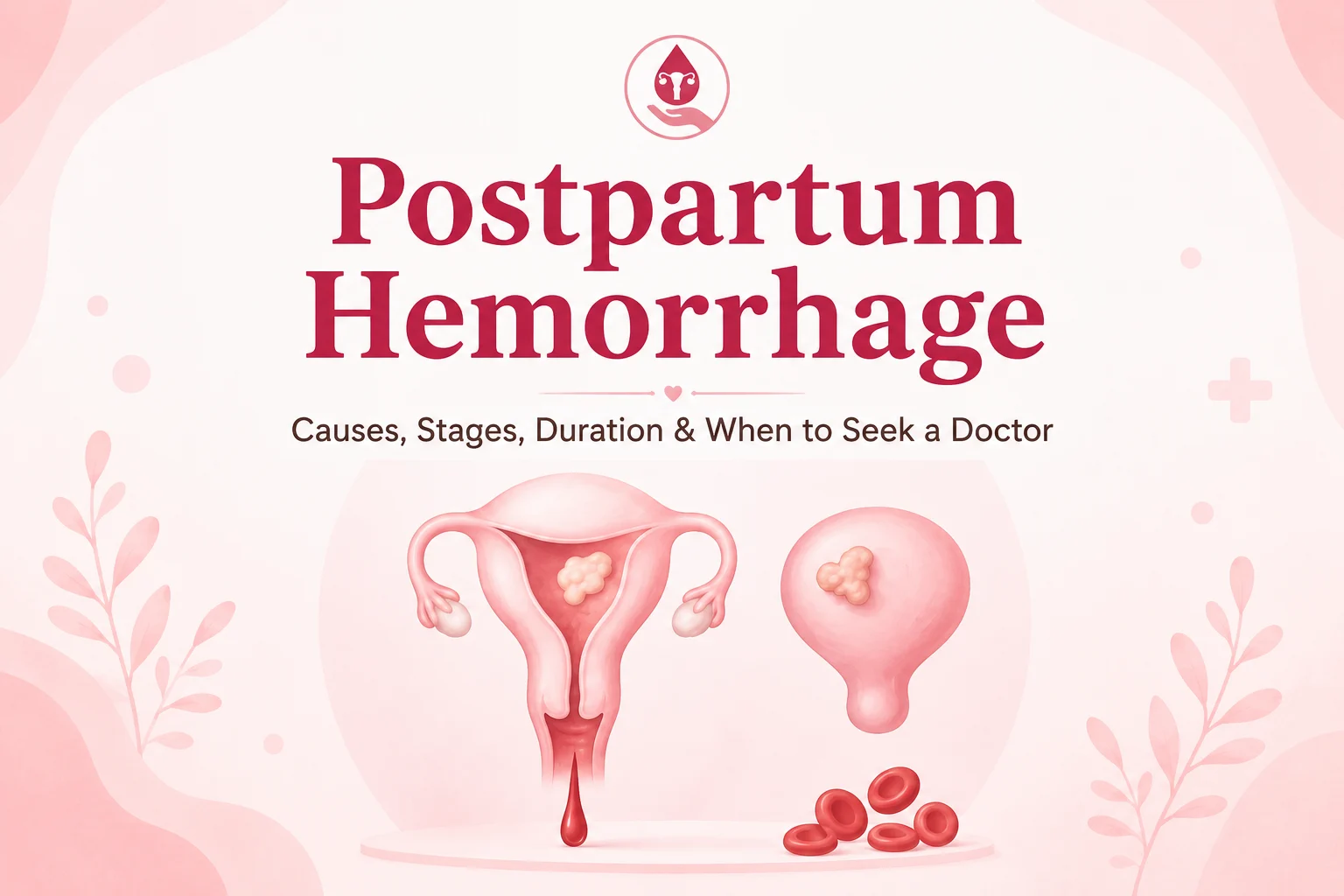
Childbirth is a life-changing experience, but the recovery period after delivery is equally important for a mother's health. While some amount of postpartum bleeding is normal after childbirth, excessive bleeding can be a serious medical condition known as Postpartum Hemorrhage. Understanding its causes, warning signs, stages, and when to seek medical attention can help ensure timely treatment and a safer recovery.
In this guide, we explain everything women and their families should know about Postpartum Hemorrhage, including prevention tips and when to consult a healthcare professional.
What Is Postpartum Hemorrhage?
Postpartum Hemorrhage (PPH) refers to excessive bleeding after the birth of a baby. It is one of the leading causes of maternal complications worldwide and requires immediate medical attention.
The hormones in birth control pills temporarily control your reproductive cycle. However, they do not permanently affect the ovaries or damage your eggs.
Healthcare providers generally define Postpartum Hemorrhage as:
- Blood loss of more than 500 ml after a vaginal delivery
- Blood loss of more than 1000 ml after a cesarean section
- Any amount of bleeding that causes signs of shock or affects the mother's overall health
Although most women experience some degree of postpartum bleeding after delivery, heavy or uncontrolled bleeding is not normal and should never be ignored.
What Causes Postpartum Hemorrhage?
Several factors can contribute to Postpartum Hemorrhage. The most common causes include:
1. Uterine Atony
After delivery, the uterus should contract to stop bleeding from the area where the placenta was attached. When the uterus fails to contract properly, excessive bleeding can occur. This is the most common cause of Postpartum Hemorrhage.
2. Retained Placental Tissue
If a portion of the placenta remains inside the uterus after childbirth, it can prevent proper uterine contraction and lead to significant bleeding.
3. Birth Canal Tears
Tears in the cervix, vagina, or perineum during labor and delivery can result in excessive blood loss.
4. Blood Clotting Disorders
Some women may have underlying clotting problems that make it difficult for the body to stop bleeding after childbirth.
5. Uterine Rupture or Inversion
Although rare, serious complications such as uterine rupture or uterine inversion can cause severe Postpartum Hemorrhage and require emergency treatment.
Risk Factors for Postpartum Hemorrhage
Certain conditions may increase the likelihood of developing Postpartum Hemorrhage, including:
- Prolonged labor
- Multiple pregnancy (twins or triplets)
- Large baby
- Polyhydramnios (excess amniotic fluid)
- Previous history of PPH
- Cesarean delivery
- Placenta previa or placenta accreta
- Maternal obesity
- High blood pressure during pregnancy
Having one or more risk factors does not mean a woman will experience PPH, but it does warrant closer monitoring.
Stages of Postpartum Hemorrhage
Medical professionals often classify Postpartum Hemorrhage into different stages based on blood loss and clinical symptoms.
Stage1
- Blood loss up to 1000 ml
- Mild increase in heart rate)
- Usually manageable with medications and monitoring
Stage2
- Blood loss between 1000–1500 ml
- Noticeable increase in heart rate
- Lower blood pressure
- May require intravenous fluids and additional treatment
Stage 3
- Blood loss greater than 1500 ml
- Significant drop in blood pressure
- Dizziness, weakness, confusion
- Requires urgent medical intervention
Stage 4
- Severe blood loss with signs of shock
- Life-threatening emergency
- Immediate advanced medical care and possible surgery required
Early identification of symptoms can significantly improve outcomes and reduce complications.
How Long Does Postpartum Bleeding Last?
Normal postpartum bleeding typically lasts for 4 to 6 weeks after childbirth. This discharge, known as lochia, gradually changes in color and amount over time.
First Few Days
- Bright red bleeding
- Similar to a heavy menstrual period
Week 1 to 2
- Flow gradually decreases
- Color changes to pink or brown
Week 3 to 6
- Light spotting
- Yellowish or whitish discharge
While normal postpartum bleeding decreases steadily, sudden heavy bleeding after the initial recovery period may indicate Postpartum Hemorrhage or another postpartum complication.
Warning Signs of Postpartum Hemorrhage
Seek immediate medical attention if you experience:
- Soaking more than one sanitary pad per hour
- Passing large blood clots
- Persistent heavy bleeding
- Dizziness or fainting
- Rapid heartbeat
- Shortness of breath
- Pale or clammy skin
- Severe weakness
- Low blood pressure symptoms
- Sudden increase in bleeding after it had started to decrease
These symptoms may indicate serious blood loss and should not be ignored.
How Is Postpartum Hemorrhage Treated?
Treatment depends on the cause and severity of bleeding. Common treatment options include:
Medications
Doctors may administer medications that help the uterus contract and reduce bleeding.
Uterine Massage
Manual massage of the uterus can stimulate contractions and help control blood loss.
Removal of Retained Placental Tissue
If placental fragments remain in the uterus, they may need to be removed.
Blood Transfusion
In cases of significant blood loss, blood transfusions may be necessary to stabilize the patient.
Surgical Management
For severe Postpartum Hemorrhage, procedures such as uterine artery ligation, balloon tamponade, or surgery may be required.
When Should You See a Doctor?
Although mild postpartum bleeding is expected after delivery, women should contact a healthcare provider immediately if they notice:
- Heavy bleeding that does not slow down
- Large blood clots
- Fever or signs of infection
- Severe abdominal pain
- Fainting or dizziness
- Difficulty breathing
- Extreme fatigue
Prompt medical evaluation can prevent serious complications and support a safer postpartum recovery.
Expert Women's Healthcare in Gurgaon
If you have concerns about recovery after childbirth, unusual postpartum bleeding, or symptoms of Postpartum Hemorrhage, consult an experienced specialist for timely evaluation and treatment.
Dr Nehal Dhaduk
MBBS, DNB – Obstetrics & Gynecology
Consultant
Atharva Gynae Clinic, Sector 106, Gurgaon
Dr Nehal Dhaduk provides comprehensive women's healthcare services, including pregnancy care, postpartum recovery guidance, management of postpartum complications, and preventive gynecological care. If you are looking for a trusted gynaecologist in sector 10 Gurgaon, professional consultation can help ensure your health and well-being during the postpartum period.
Conclusion
Postpartum Hemorrhage is a serious but treatable condition when recognized early. While some postpartum bleeding is a normal part of recovery after childbirth, excessive bleeding requires immediate medical attention. Understanding the causes, stages, duration, and warning signs can help women and their families respond quickly and seek appropriate care.
If you experience unusual symptoms after delivery, do not delay seeking medical advice. Consulting an experienced gynaecologist in sector 106 Gurgaon can provide reassurance, timely diagnosis, and effective treatment, ensuring a safer and healthier recovery after childbirth.

Dr Nehal Dhaduk
Qualification: MBBS, DNB - Obstetrics & Gynecology
Specialization: Gynecologist, Obstetrician, Reproductive Endocrinologist (Infertility)
Designation: Consultant
Clinic: Atharva Clinic, Sector 10A, Gurgaon
Dr Nehal Dhaduk is an evidence-based women’s healthcare provider with special interest in pregnancy care, post-delivery recovery, infertility, and women’s health. Her clinical approach focuses on safe recovery and patient education.
