
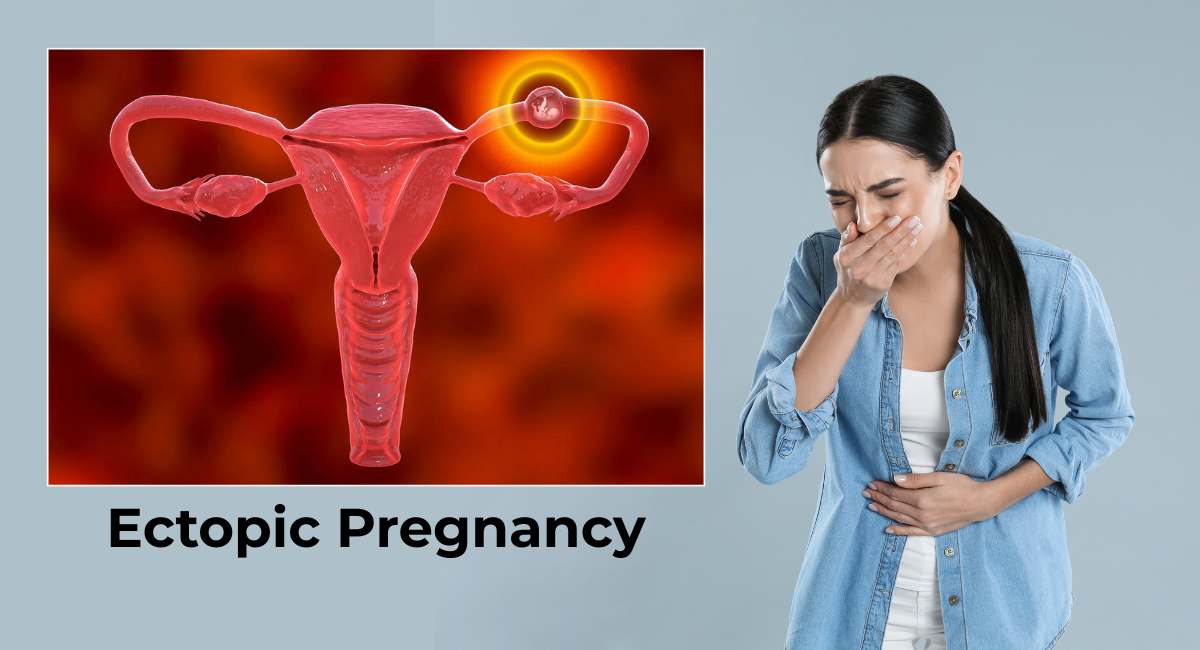
Ectopic pregnancy occurs when a fertilized egg implants outside the uterus, most commonly in the fallopian tubes. Unlike normal pregnancy, it cannot develop into a viable baby and poses significant health risks if untreated. Understanding its types, causes, symptoms, and preventive measures is essential for women of reproductive age.
Dr. Nehal Dhaduk, a renowned Obstetrics & Gynaecologist at Atharva Gynae Clinic, Sector 10A Gurgaon, stresses that early detection and proper medical care are key to preventing complications.
Types of Ectopic Pregnancy
Ectopic pregnancies are classified based on where the embryo implants:
Tubal Pregnancy
The most common type, where the egg implants in the fallopian tube. Symptoms often appear early due to limited space, causing pain and bleeding.
Ovarian Pregnancy
The fertilized egg implants on the ovary, a rare occurrence requiring careful monitoring.
Cervical Pregnancy
Implantation happens in the cervix, often leading to significant bleeding.
Abdominal Pregnancy
Extremely rare, where implantation occurs in the abdominal cavity, and diagnosis may be delayed.
Early recognition of these types allows for timely intervention and reduces health risks.
Risk Factors for Ectopic Pregnancy
Several factors can increase the likelihood of ectopic pregnancy:
- Previous Ectopic Pregnancy: History of a prior ectopic pregnancy increases recurrence risk.
- Pelvic Inflammatory Disease (PID): Infections that damage reproductive organs can lead to abnormal implantation.
- Tubal Surgery: Procedures on the fallopian tubes may create scarring or obstruction.
- Fertility Treatments: Assisted reproductive techniques and hormonal therapies slightly increase the risk.
- Lifestyle Factors: Smoking and advancing maternal age (over 35) can contribute to abnormal pregnancies.
Understanding these risk factors helps women take preventive measures and seek timely medical care
Symptoms of Ectopic Pregnancy
Early signs can vary but commonly include:
- Abdominal or pelvic pain, often on one side
- Vaginal bleeding or spotting
- Shoulder pain or discomfort (from internal bleeding irritation)
- Dizziness, fainting, or low blood pressure in severe cases
Women experiencing these symptoms should seek immediate medical attention to avoid complications.
Diagnosis of Ectopic Pregnancy
Gynecologists use various diagnostic tools to confirm ectopic pregnancies:
- Transvaginal Ultrasound: Provides clear imaging to detect the location of the embryo.
- Blood Tests: Measure pregnancy hormone levels (hCG) to identify abnormal growth patterns.
- Physical Examination: Helps assess pain, tenderness, and signs of internal bleeding.
Early diagnosis is crucial to determine the appropriate treatment and preserve reproductive health.
Treatment Options
Treatment depends on the severity and type of ectopic pregnancy:
- Medication: Methotrexate can stop cell growth in early, stable cases.
- Surgery: Laparoscopic surgery may be needed to remove the ectopic tissue, especially in emergencies.
- Follow-Up Care: Monitoring hormone levels and reproductive health after treatment ensures complete recovery.
Dr. Nehal Dhaduk emphasizes individualized care plans to address each patient’s unique condition safely and effectively.
Prevention and Awareness
While not all ectopic pregnancies are preventable, awareness and proactive care reduce risks:
- Seek prompt treatment for pelvic infections and maintain reproductive health
- Schedule regular gynecological checkups, especially during early pregnancy
- Avoid smoking and adopt a healthy lifestyle
- Monitor closely during fertility treatments with early ultrasounds
Understanding symptoms, risk factors, and preventive measures empowers women to take control of their reproductive health.
Conclusion
Ectopic pregnancy is a serious condition, but timely detection and proper treatment can save lives and preserve fertility. Women with risk factors or concerning symptoms should consult an experienced gynecologist, like Dr. Nehal Dhaduk, at Atharva Gynae Clinic, Sector 10A Gurgaon. With expert guidance, patients receive accurate diagnosis, effective treatment, and comprehensive reproductive care.
